There are lots of cheap solar panels on eBay, most of them making outlandish performance claims. A particular offer caught my attention: a small, flexible panel that supposedly produces 300W at 18V. They are available from multiple vendors but it's basically all the same product (here, here and there).
I wanted to have a little fun and see how much juice I could actually get out of those, and if they are worth anything. I was hoping for 150W, and anything beyond 200W would be really good. I also saw some YouTube videos claiming one could build a cheap rheostat by putting some electrodes in salty water, which also sounded fun. Here's a summary of the adventure, where I found out yet again that theory rarely survives an encounter with practice.
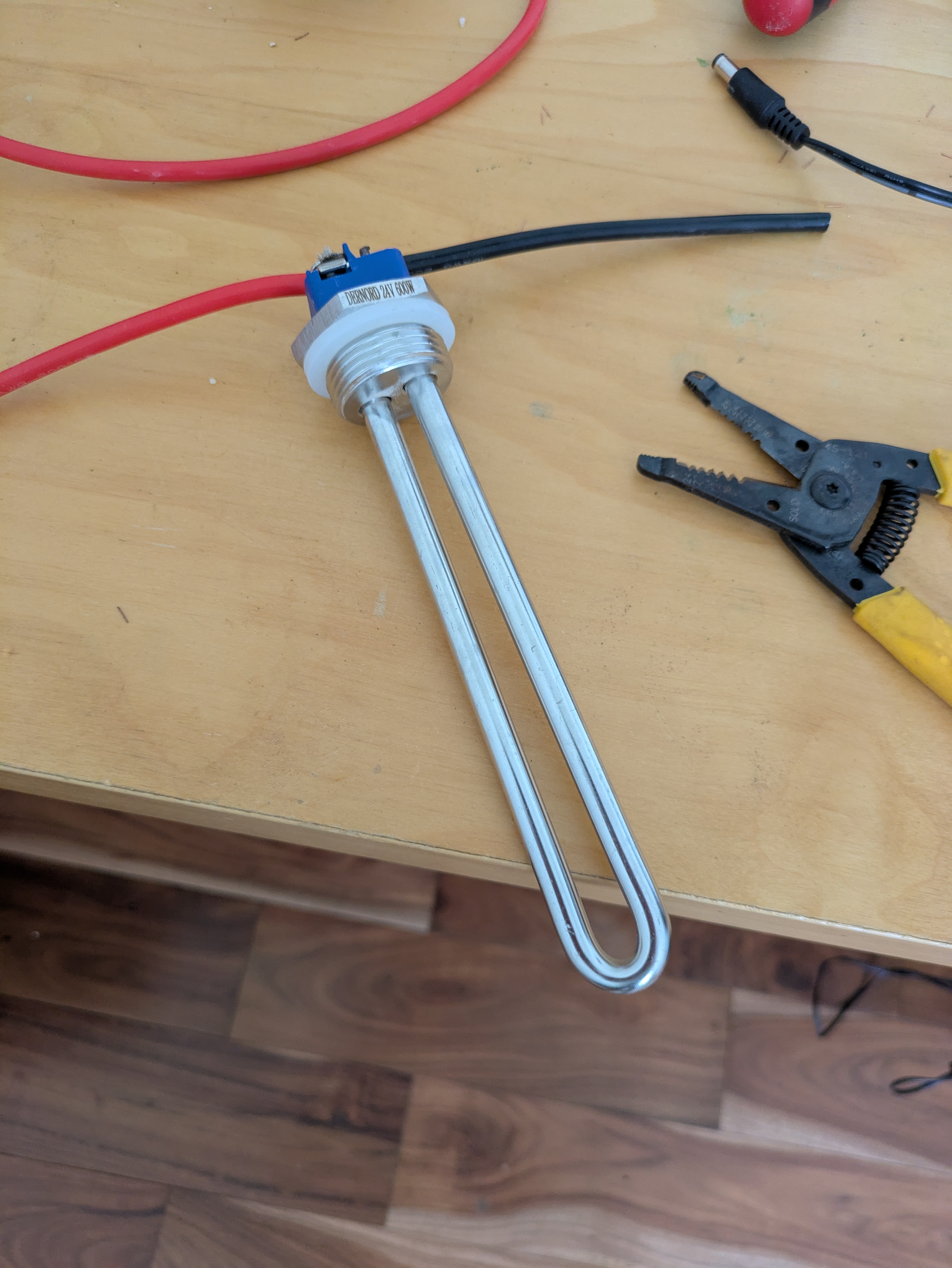
My first attempt involved using a water heating element buried in sand. The one I bought is way off the actual power output of the panels, ended up being completely useless and made something like 10 Watts. At that point I started to understand maximum power point tracking, and since I had no idea what the actual power output of the panels was, I decided I needed a rheostat to find out.
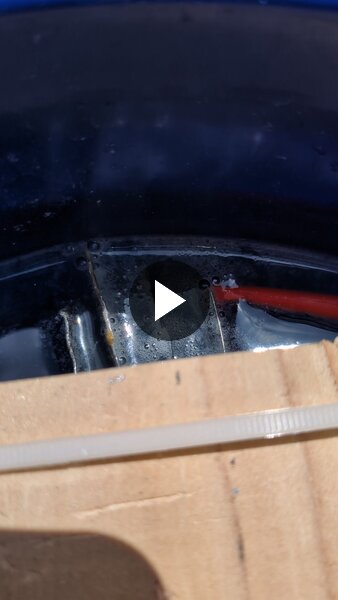
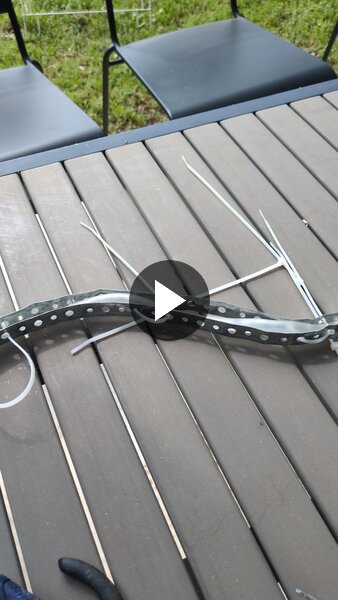
I fumbled around making various contraptions: using some thin galvanized plates, even trying a coil of sorts. I learned that distance between the electrodes doesn't matter much, that once you add enough salt there's no point adding more, and that the resistance of my contraptions was way too low, the panels were operating close to short circuit and not producing anything.
I also concluded that Ohm meters are pretty much useless for this, and so are the clamp-style multimeters for measuring current; I needed shunt resistors. My theory about the Ohm meter is that they use a very small voltage and the rheostat setups are non-linear; You are not measuring anything useful unless you are close to your target voltage.
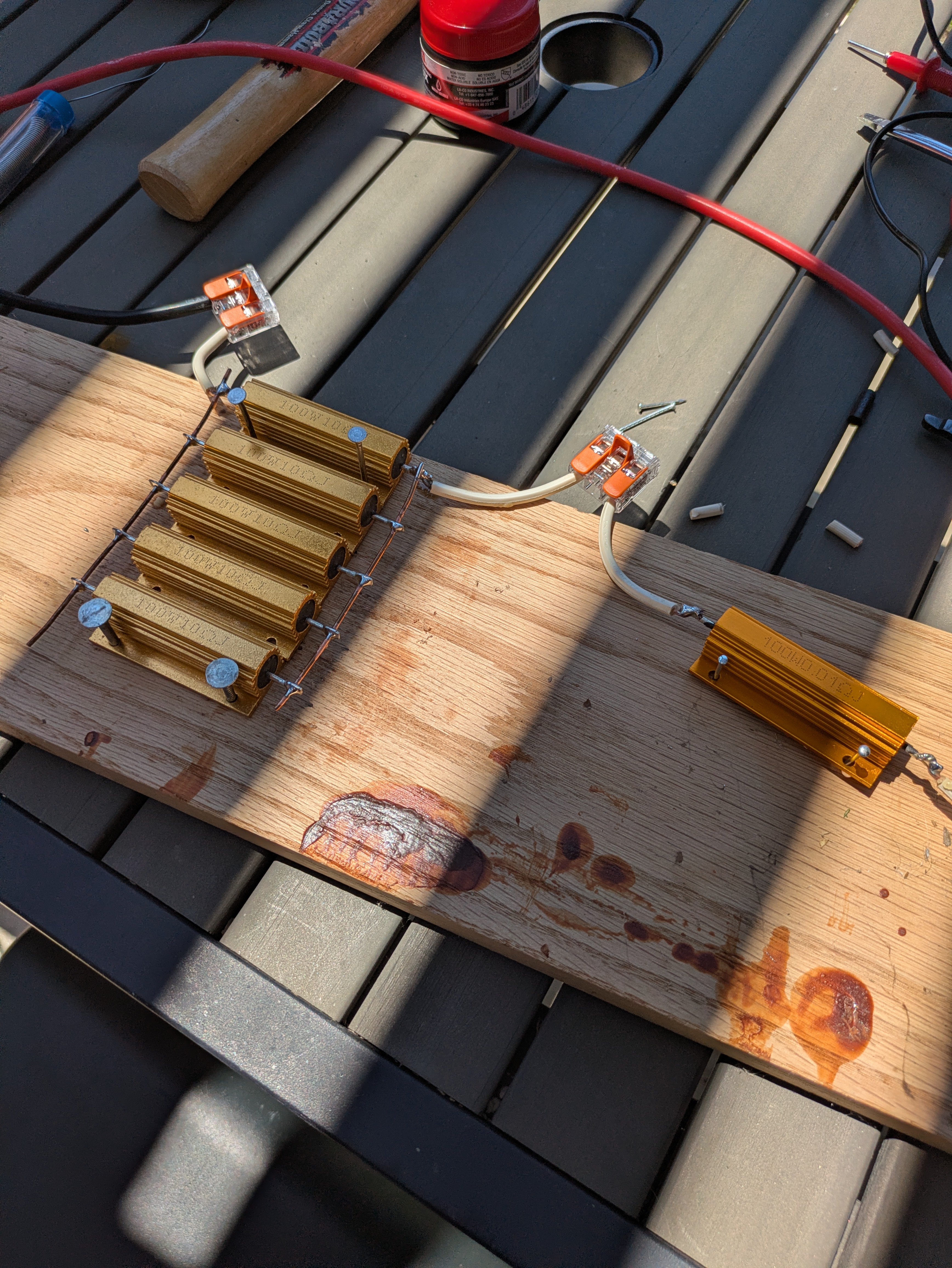
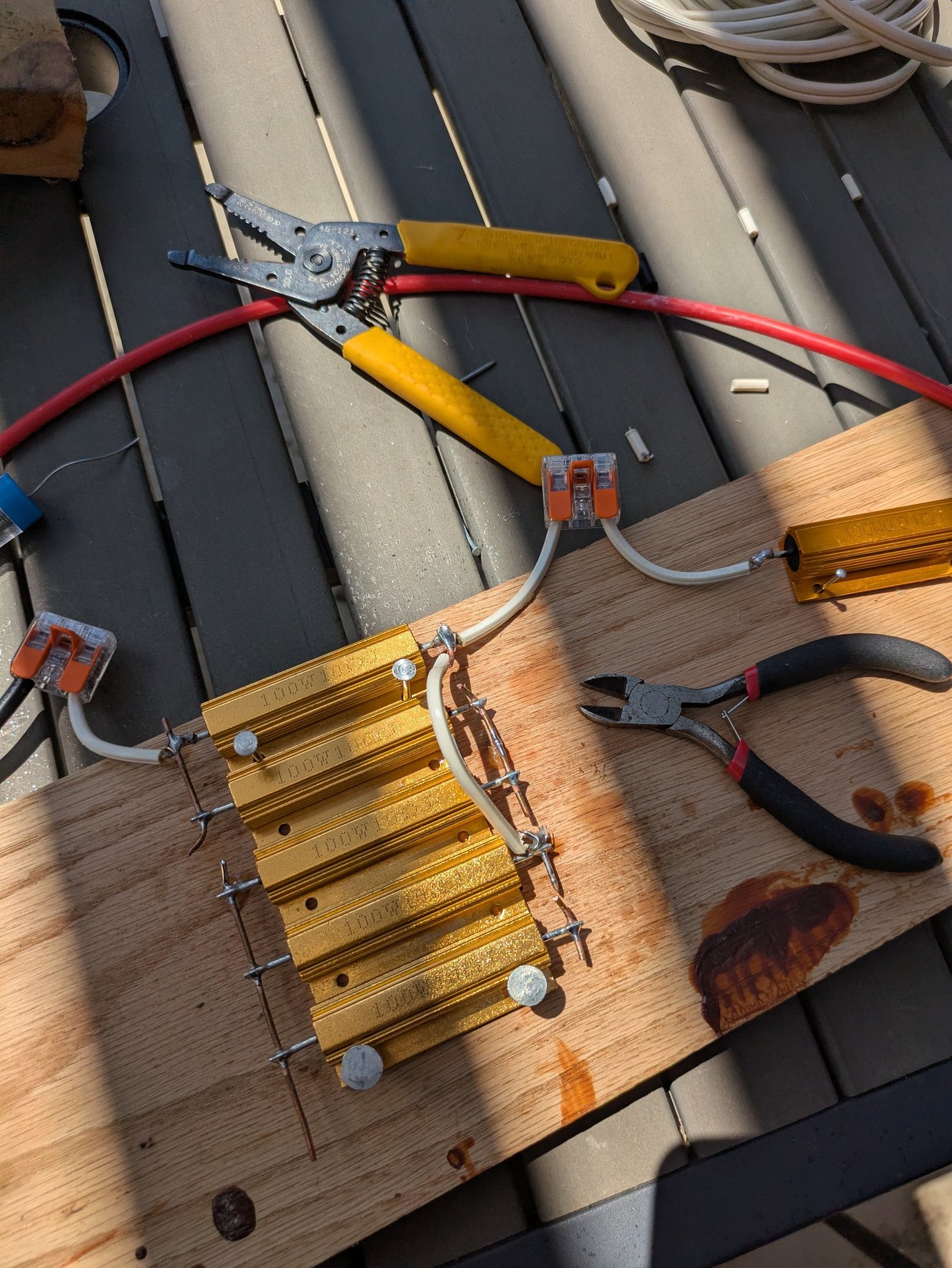
I also picked up some wirewound resistors, enough to dissipate up to 500W of power. I wasn't getting anywhere with the electrolyte rheostat, so I wanted to try something different. But redoing the wiring constantly to adjust the resistance is completely unpractical.
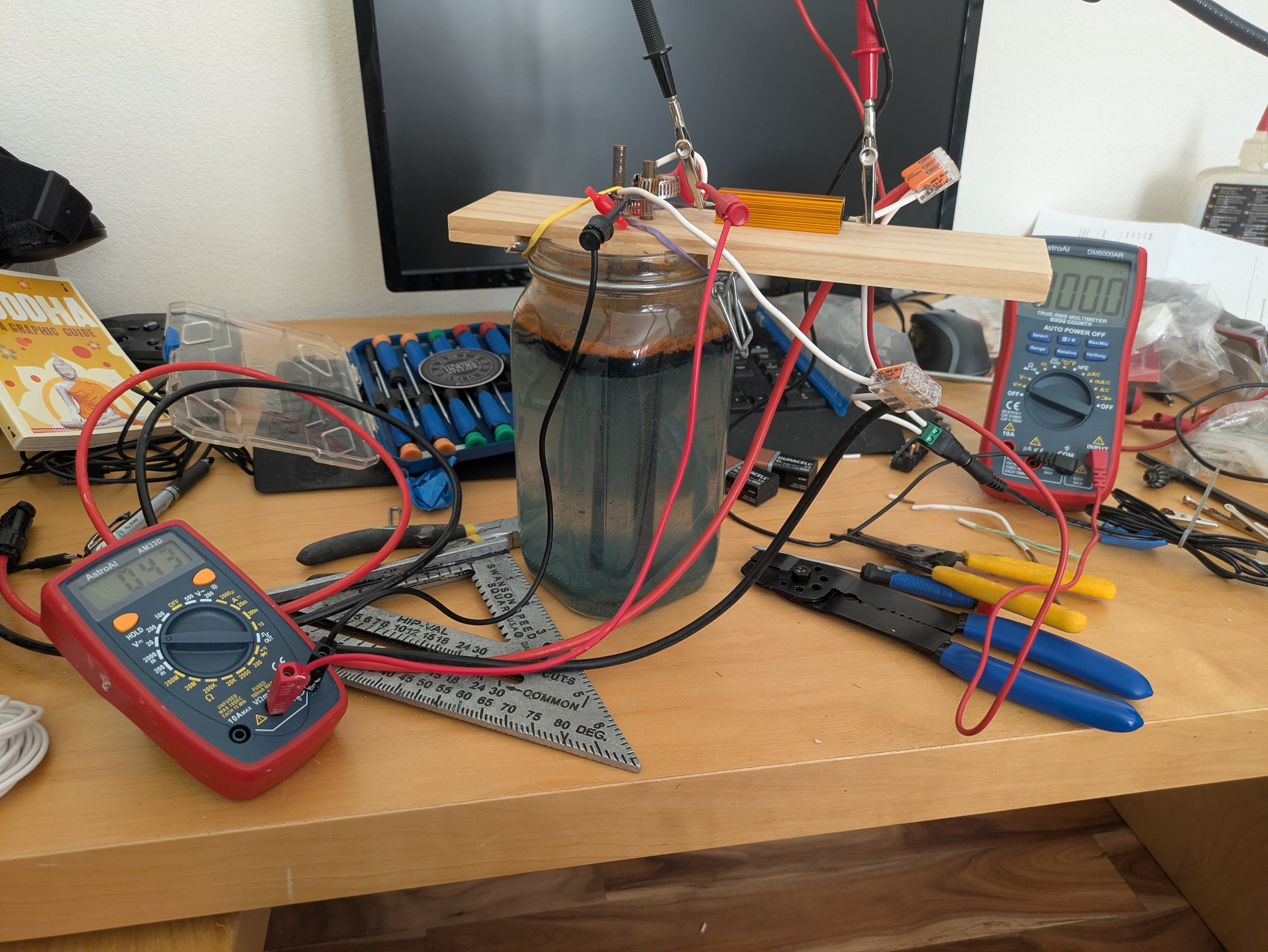
I eventually went back to a rehostat design with steel rod electrodes. Only two at first, then four later so I had more range for adjusting the resistance. With two to three teaspoons of salt (rock salt used to mel ice on driveways) in the water, and the half-inch steel electrodes I am able to range between 3 Ohms and 15 Ohms and explore the "knee" of performance and find the MPP for the panels.
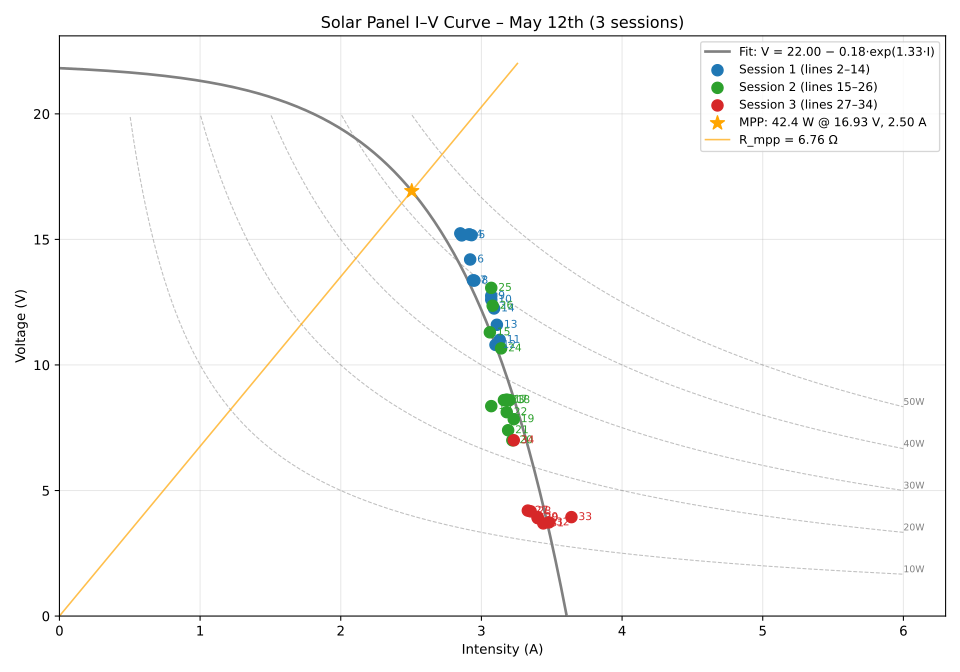
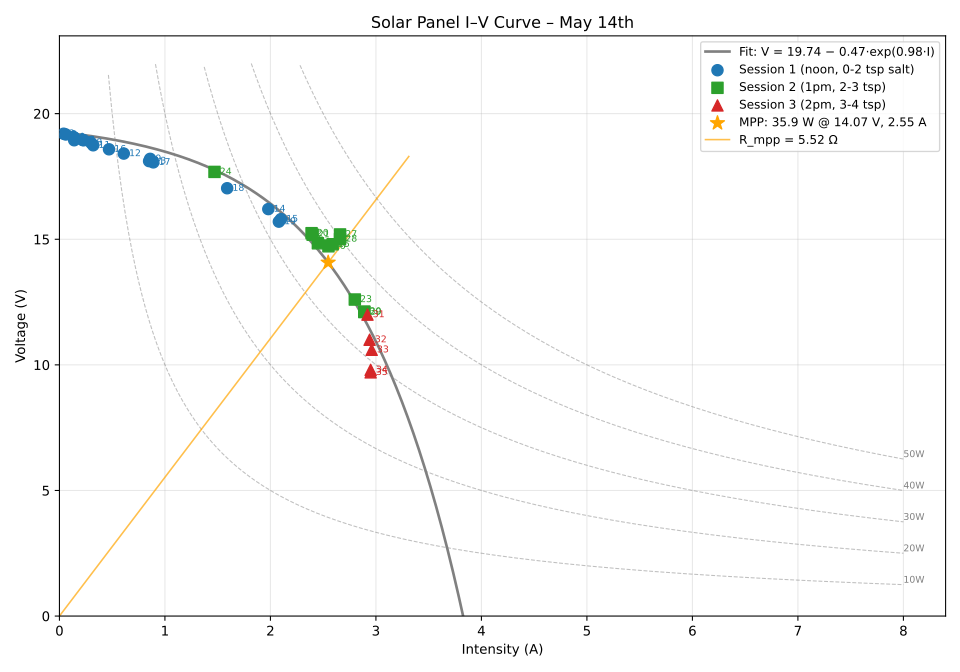
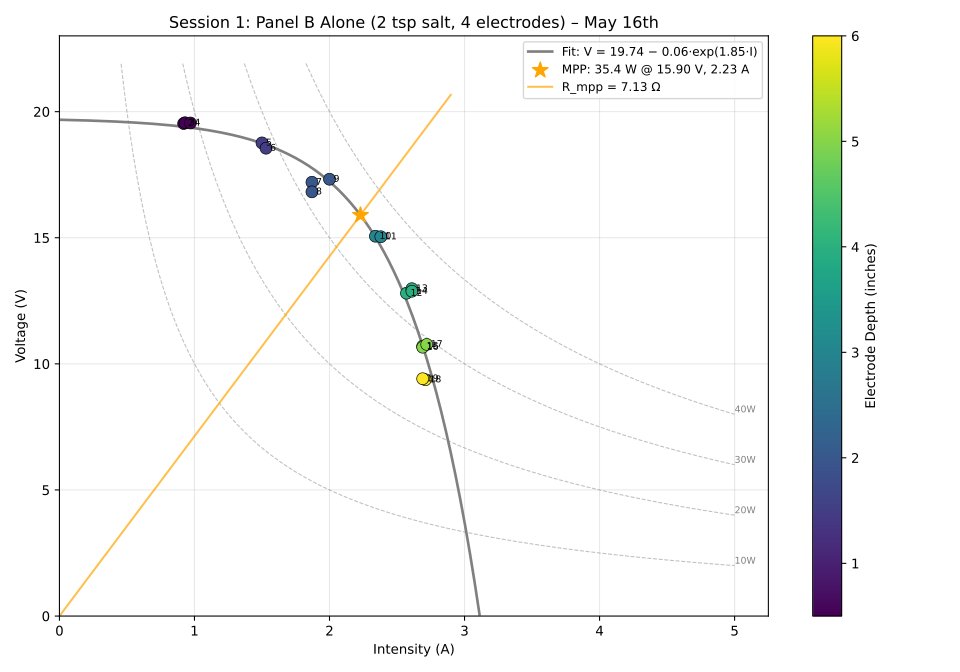
After a few more days of experiments, during which I found that loose connections can easily create one or two Ohms of parasite resistance and completely screw your results, I got a few sessions of data that I fell are reasonably trustworthy.
Unfortunately I could never get the panels above 40W. It's North Texas in May and my house panels are performing at their top. It was a little hazy though, so maybe on an even better day I could hope for 50W, but I'm reasonably sure those panels will never produce more.
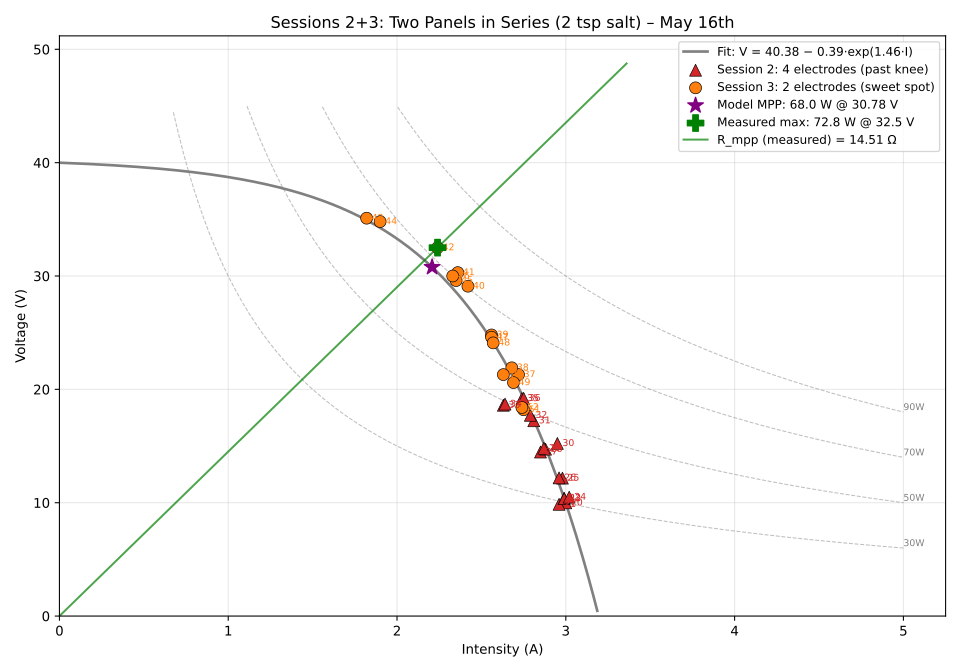
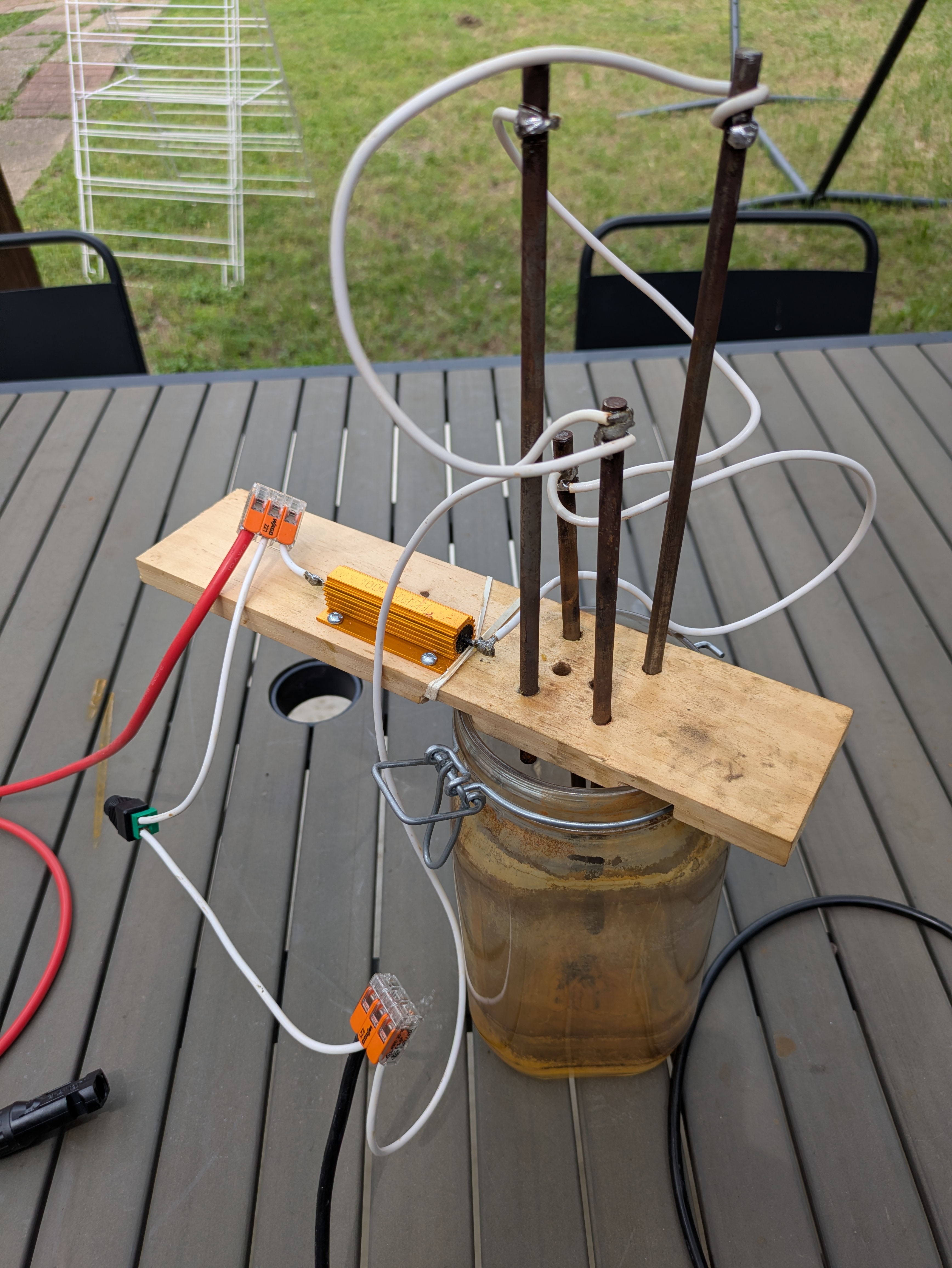
For an extra bit of fun I put the two panels in series and got close to 70W, as expected. That worked at higher voltage and a higher MPP resistance, which was a good way to validate the range on my rheostat design.
What's next? Well, it's raining all of next week for one. I plan to acquire better panels and set them up on my backyard pergola. There should be enough space for about 2kW. That should slot in nicely with an Oupes Mega 3 power station for an off-grid setup. I can't live out of an RV quite yet, but I'm taking steps.
Discussion
Join the conversation on MastodonLoading comments...